
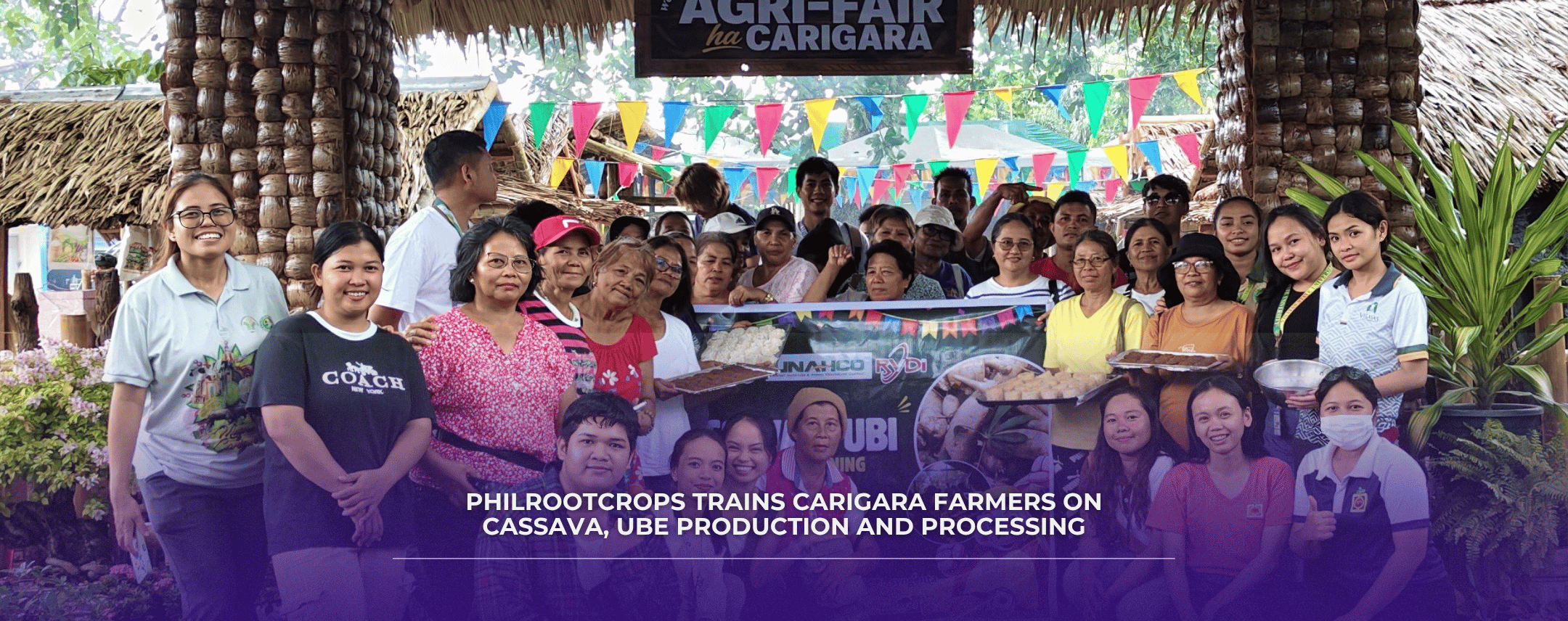
by DevCom Interns
BAYBAY CITY, Leyte – The Philippine Root Crop Research and Training Center (PhilRootcrops) of Visayas State University (VSU) equipped farmers from Carigara, Leyte with improved technologies on cassava and ube production and value-added processing during a training conducted on July 10, 2026.
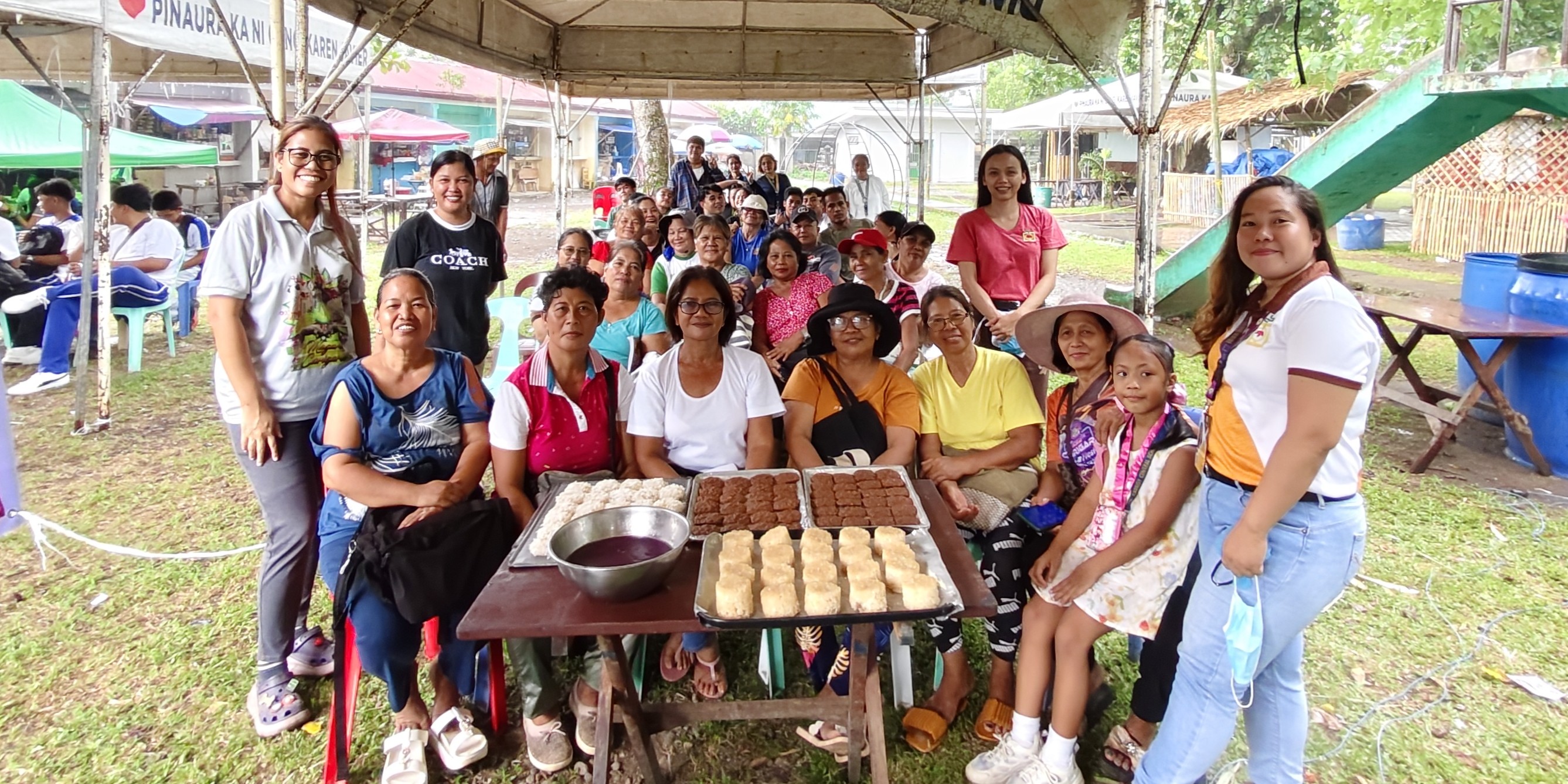
IN PHOTO: The training participants with their training outputs such as such as pichi-pichi, cassava oatmeal cookies, ube jam, and cassava puto.
The activity is part of PhilRootcrops’ continuing extension program to promote the adoption of research-based technologies that enhance root crop productivity, reduce postharvest losses, and create additional livelihood opportunities through value-added processing.
The training covered recommended production practices for cassava and ube, including site selection, land preparation, preparation of planting materials, planting techniques and spacing, fertilizer application, field maintenance, weed management, and determining the appropriate harvest maturity of cassava.
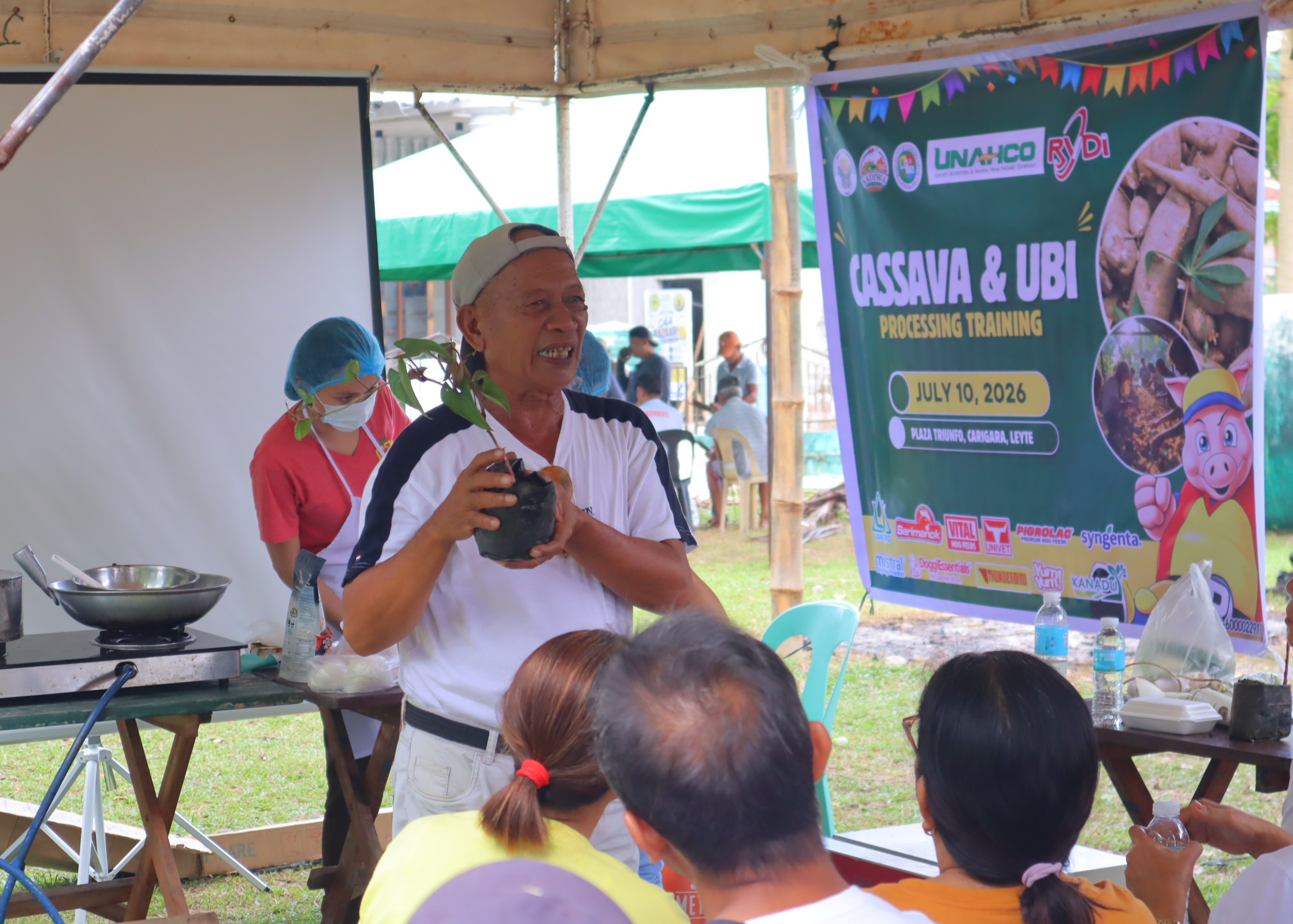
IN PHOTO: Mr. Maranguit as the resource speaker on cassava and ube production.
Science Research Assistants Mary Rose M. Maniego, Marife C. Suaybaguio, Jesebel Ann M. Gloria, and Hana Lyn B. Yokingco from the Extension and Socioeconomics Division facilitated the technical sessions, while Science Aide Ricardo A. Maranguit of the Crop Improvement Division served as the lead trainer and resource speaker.
Participants also took part in hands-on demonstrations on value-added processing technologies, where PhilRootcrops personnel showcased the preparation of cassava and ube-based products such as pichi-pichi, cassava oatmeal cookies, ube jam, and cassava puto.

IN PHOTO: Ms. Maniego conducting a demo on value-added processing technologies.
The demonstrations emphasized proper raw material selection, food safety practices, quality evaluation, and processing techniques to help farmers produce high-quality, marketable products that could provide additional sources of income.
Student interns from Visayas State University and Capiz State University, representing the disciplines of Development Communication, Agriculture, and Agricultural Engineering, assisted PhilRootcrops personnel in the conduct of the activity by providing logistical, documentation, and technical support.
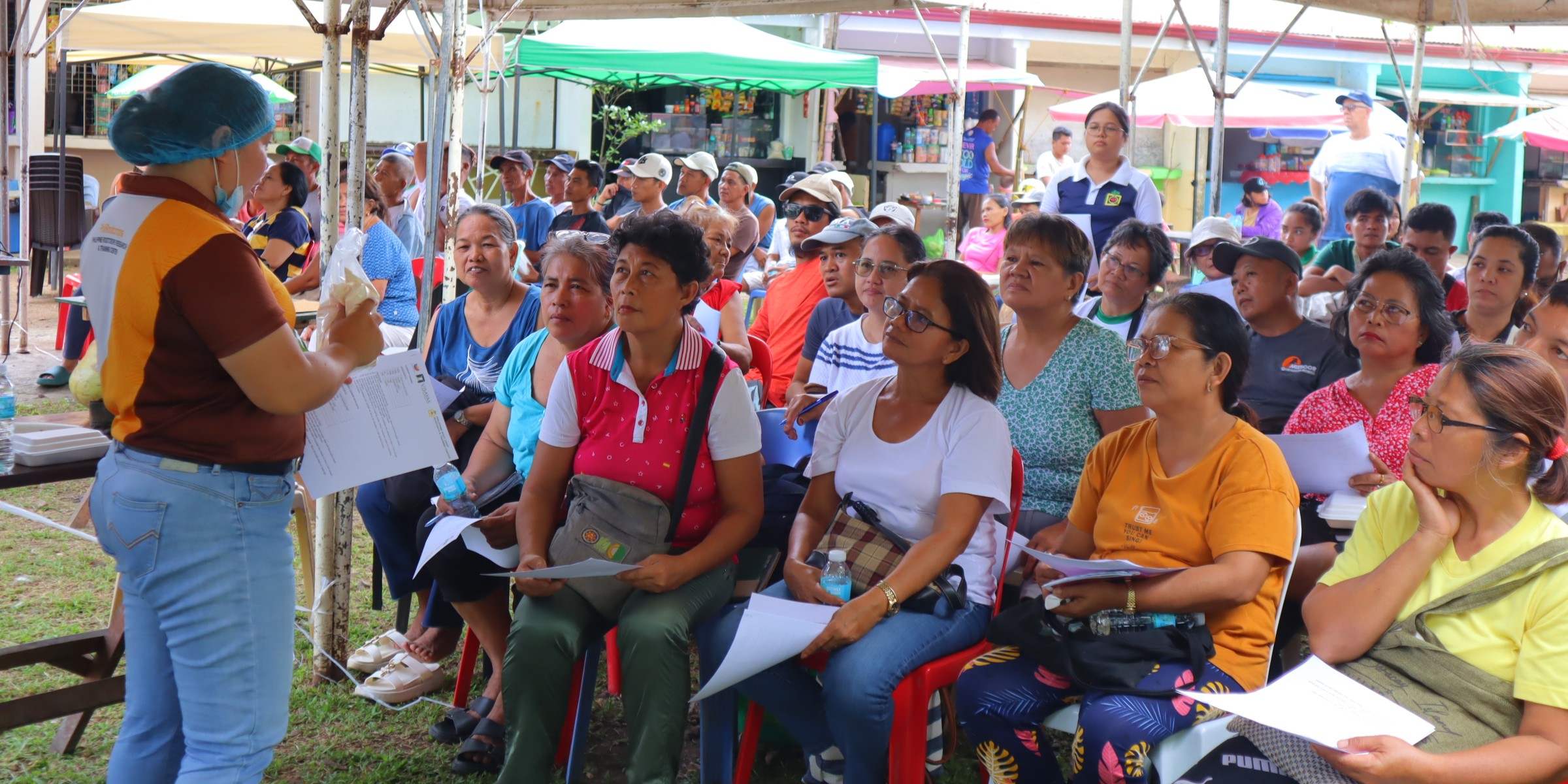
IN PHOTO: Ms. Suaybaguio conducting a feedbacking activity with the participants.
At the end of the training, participants evaluated the activity through assessment forms administered by DevCom student interns in which the feedback will be used to improve future extension activities of the Center.
The training forms part of PhilRootcrops’ continuing efforts to bring research-based technologies directly to farming communities and strengthen farmers’ capacities in sustainable root crop production and value-added processing.
The activity supports the attainment of the United Nations Sustainable Development Goals (SDGs), particularly SDG 8 (Decent Work and Economic Growth), SDG 12 (Responsible Consumption and Production), and SDG 17 (Partnerships for the Goals).