
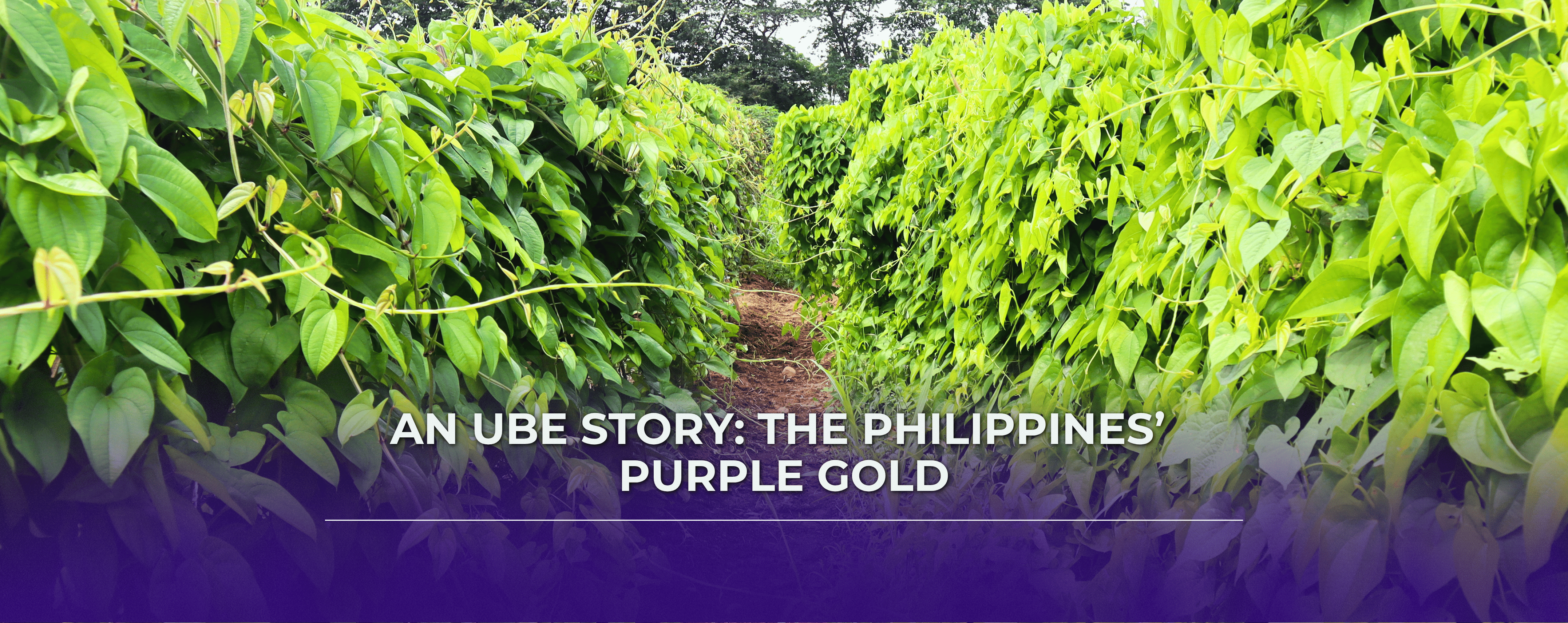
On many Filipino occasions, food served on the table reflects traditions that communities continue to preserve. Delicacies such as turon, hopia, halo-halo, and even halaya share a common ingredient that has become iconic in Filipino cuisine. This ingredient not only offers distinctive flavor but also provides valuable nutrients. That ingredient is ube, often referred to as the Philippines’ purple gold.
Rooted in the deep history of Philippine agriculture, ube has long been a reliable staple crop across generations. Farmers carefully cultivate and handle the crop to maintain the integrity of its vibrant purple flesh and its distinct, subtle nutty flavor; qualities that have fueled its growing demand in both local and international markets.
Despite its widespread use in Filipino desserts, ube represents more than just a culinary ingredient. It is a crop rich in history and holds strong economic potential for Filipino farmers and communities.
The History of Ube
Dioscoreo alata, commonly known as ube, is a rich purple yam widely cultivated in the Philippines and other tropical regions. In the Philippines, it has been an important rootcrop for centuries and is considered one of the yams cultivated globally for human consumption.
Characterized by its vibrant purple flesh, ube belongs to the group of tuber crops—plants that develop swollen underground storage organs capable of sprouting new plants, similar to potatoes and other yam species. In Filipino cuisine, ube is widely used in traditional desserts such as ube halaya, halo-halo, cakes, pastries, and ice cream.
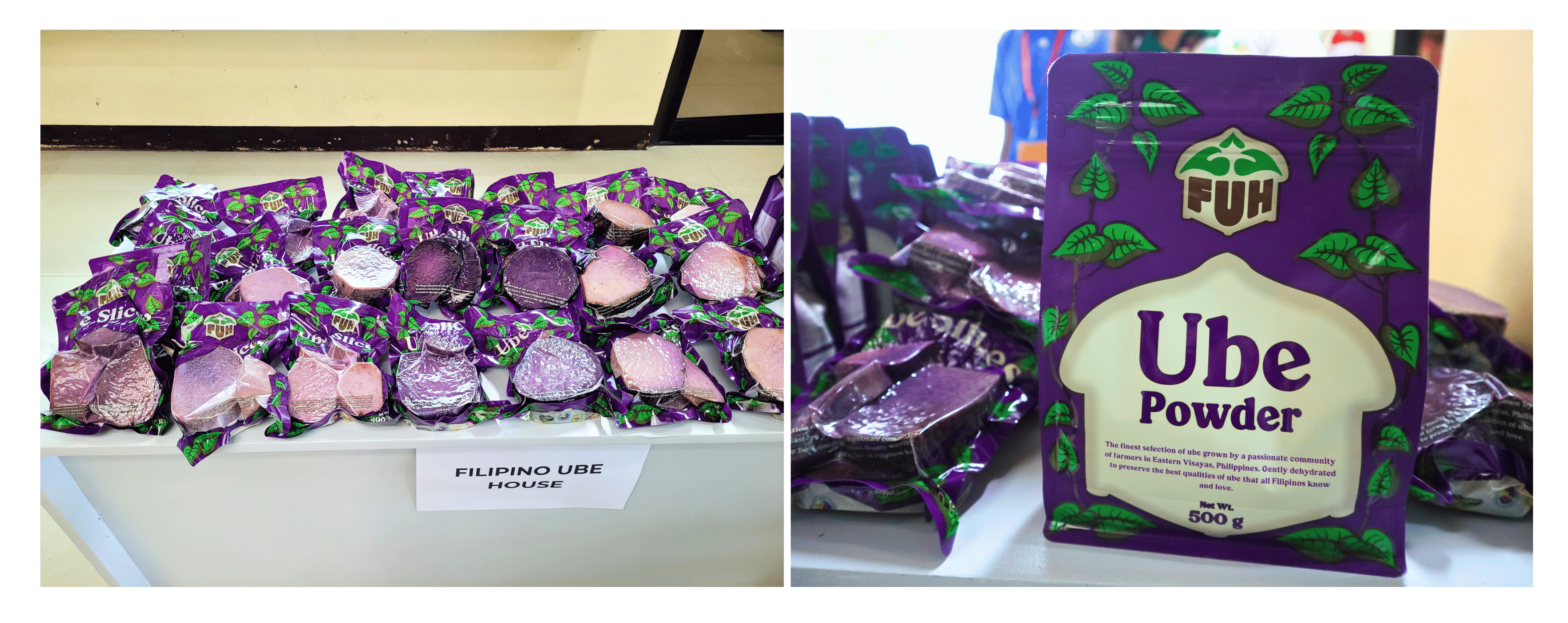 Left to Right: Peeled Ube Slices and Ube Powder of Filipino Ube House.
While the exact origins of ube-based dishes remain uncertain, archeological evidence suggests that yam species have been utilized in the Philippines for thousands of years. Historical accounts also show that ube appeared in early records of Philippine food culture. Food historian Felice Prudente Sta. Maria noted that ube was mentioned in the first Tagalog–Spanish dictionary published in 1613. Later culinary records from the early 20th century documented recipes resembling jam-based desserts such as “jalea de calabaza’ or pumpkin pie, which may have influenced the development of the beloved ube halaya enjoyed today.
A Resilient Crop: Sustenance During Drought
Beyond its culinary value, ube has also played an important role in local histories of survival and resilience.
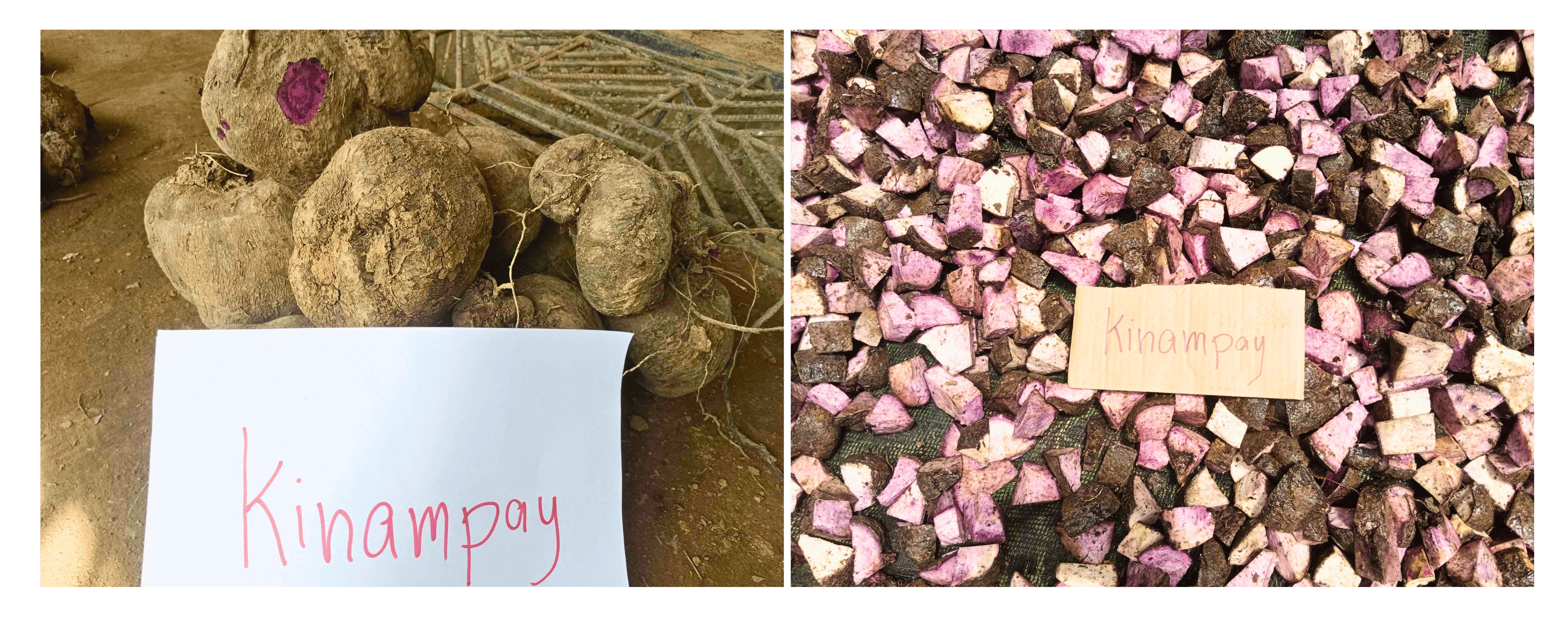 An ube variety called “Kinampay.”
In the province of Bohol, ube—locally known as kinampay—is deeply embedded in cultural identity. Historical accounts describe how prolonged drought once threatened food security in parts of the province. During this difficult period, many crops failed, leaving communities struggling to survive.
Yet ube proved resilient. The crop continued to grow and provided nourishment to communities in municipalities such as Dauis and Panglao. Because of this role in sustaining local populations, the crop earned a special place in Boholano culture.
Today, kinampay is celebrated annually through the Ubi Festival, held every December in Bohol. The crop is also referenced in the Boholano hymn (ug matam-is nga Kinampay…), reflecting its significance to the province’s agricultural heritage.
Challenges Facing Ube Production
Despite its cultural importance and growing popularity, ube production in the Philippines faces several challenges.
Demand for ube-based products has risen significantly in both domestic and international markets. However, farmers often struggle to meet this demand due to declining production levels, limited access to resources, and the predominance of small-scale farming systems.
Ube is also considered a location-specific crop, meaning it requires particular soil and environmental conditions to achieve optimal yields. Farmers sometimes need soil testing and careful site selection before planting to ensure successful cultivation.
Another major constraint is the limited availability of high-quality planting materials that are resistant to pests and diseases. Data indicate that national production declined from around 30,074 metric tons in 2006 to approximately 14,000 metric tons in 2020, highlighting a significant drop in supply (United Nations - Philippines, 2022).
This is further hindered by the fact that ube production is labor intensive and the country is lacking the appropriate mechanization to stabilize production—something that our government needs to focus on.
Ube’s supply is also seasonal, therefore could not meet the large-scale demands in the Philippines alone. And to top it all, the Philippines is located right beside the Pacific Ocean where violent winds and storms crossing the country over 20x on average, leading to crop failure. And with the recent destruction of Typhoon Odette in 2022, a delicate crop like ube could hardly thrive in the so-called “Ube Capital of the Philippines”.
Role of PhilRootcrops in Advancing Sustainable Ube Production
Based at the very scenic university, situated in between the great heights of Mount Pangasugan, and the breathtaking Camotes Sea, Philrooctrops is at the heart of the Visayas State University (VSU). Led by current Center Director, Dir. Marlon M. Tambis, Philrooctrops being at the forefront of root crop research has engaged in many initiatives to resolve the issues surrounding the production challenges in ube production.
PhilRootcrops conducts research, extension, and capacity-building programs designed to support farmers and improve the sustainability of root crop systems across the country.
Through collaborative initiatives with institutions such as the Department of Agriculture and the Department of Science and Technology – Philippine Council for Agriculture, Aquatic and Natural Resources Research and Development (DOST-PCAARRD), the Center supports farmers through training programs, improved technologies, and technical assistance.
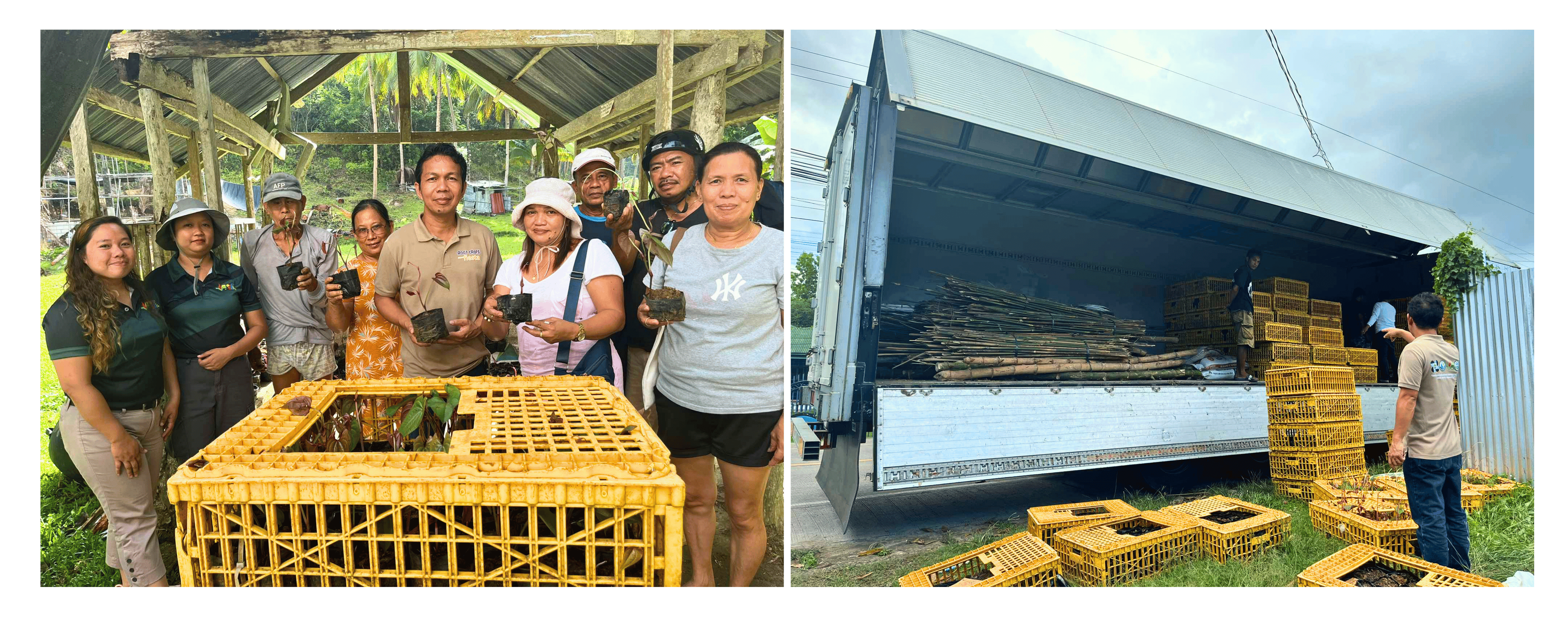 PhilRootcrops conducted multi-location field trials for selected ubi varieties within Bohol, part of the DOST PCAARRD-funded project titled “Enhancement of Ubi Production through Trials and Demonstrations to Support Industry Development in Bohol.”
In Leyte, PhilRootcrops has partnered with the Fatima Multi-Purpose Cooperative in Tunga to promote improved value-adding technologies and strengthen the local ube processing industry. These initiatives have helped position the cooperative as one of the largest producers of processed ube products in Eastern Visayas.
The Center also works with emerging industry players such as Filipino Ube House to expand market opportunities for ube-based products.
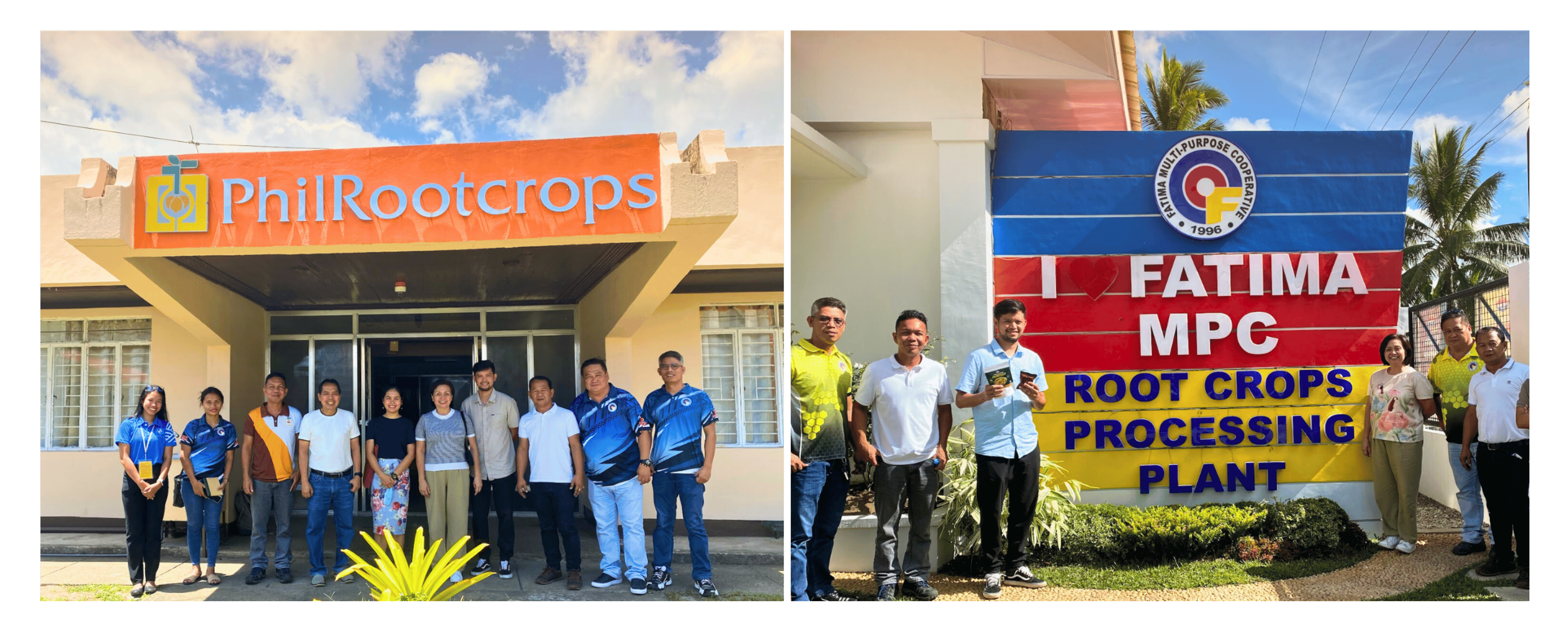 Left to Right: Group photos taken with PhilRootcrops, FUH, and FMPC at the Philippine Root Crop Research and Training Center, VSU, and FMPC Root Crops Processing Plant in Tunga, Leyte.
Beyond technology development, PhilRootcrops also participates in capacity-building activities in farming communities, including training programs for farmers and local entrepreneurs in provinces such as Bukidnon. These engagements aim to improve productivity while ensuring sustainable cultivation practices.
What’s Next for Ube?
As the Philippine Root Crop Research and Training Center (PhilRootcrops) marks its 49th anniversary, its commitment to strengthening ube production across the Philippines remains firm. The Center continues to support farmers, stabilize production systems, and promote innovations in key growing areas such as Bohol and other parts of the country.
However, the future of ube depends on collaboration among multiple stakeholders. Strong partnerships among government institutions, research organizations, private industry, and farming communities are essential to ensure that scientific advances translate into real benefits for farmers.
Local producers, researchers, and policymakers all have a role in shaping the future of this crop. Through science, cooperation, and sustained investment in agricultural innovation, the Philippines can ensure that ube—its purple gold—remains resilient, competitive, and deeply rooted in the nation’s agricultural heritage for generations to come.
This article aligns with Sustainable Development Goals No.: 2 – Zero Hunger, 8 – Decent Work and Economic Growth, 13 – Climate Action, 15 – Life on Land, 17 – Partnerships for the Goals