
ZAMBALES, Philippines — The Philippine Root Crop Research and Training Center (PhilRootcrops) of the Visayas State University (VSU) continues to expand its collaborative efforts in promoting sustainable rootcrop production and community empowerment through an initiated partnership with the Ayala Foundation Inc. in Zambales.
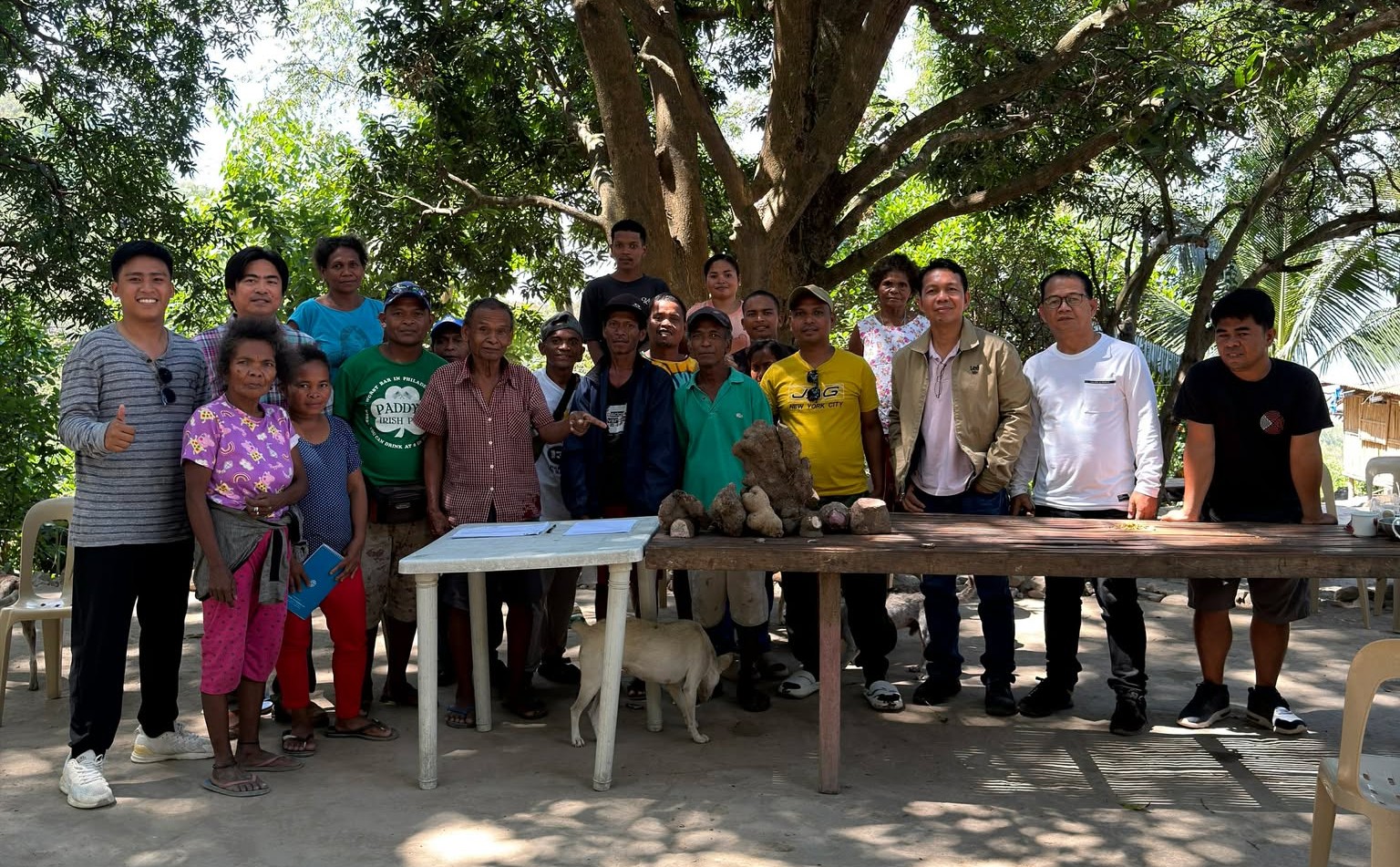
PhilRootcrops with the Aeta community in Zambales
The engagement is part of Ayala Inc.’s Project SUHAY (Strengthening Ube Harvests & Aeta Yields), a climate-resilient agricultural initiative aimed at empowering at least 60 Aeta households in the upland barangays of Santa Fe and San Rafael in San Marcelino, Zambales. The project aims to transform these ancestral and cultural domains, mostly affected by volcanic eruptions and severe drought conditions, into economically viable lands through sustainable ube production systems.
PhilRootcrops Center Director, Prof. Marlon M. Tambis, underscores the significance of the collaboration, emphasizing the cultural roots of ube in Zambales as part of the country’s heritage.
“Zambales is not new to ube. In fact, one of the most recommended and well-known varieties, Zambal (VU2), originated here. I truly consider our Aeta communities as the guardians of this important heritage variety,” he shared.
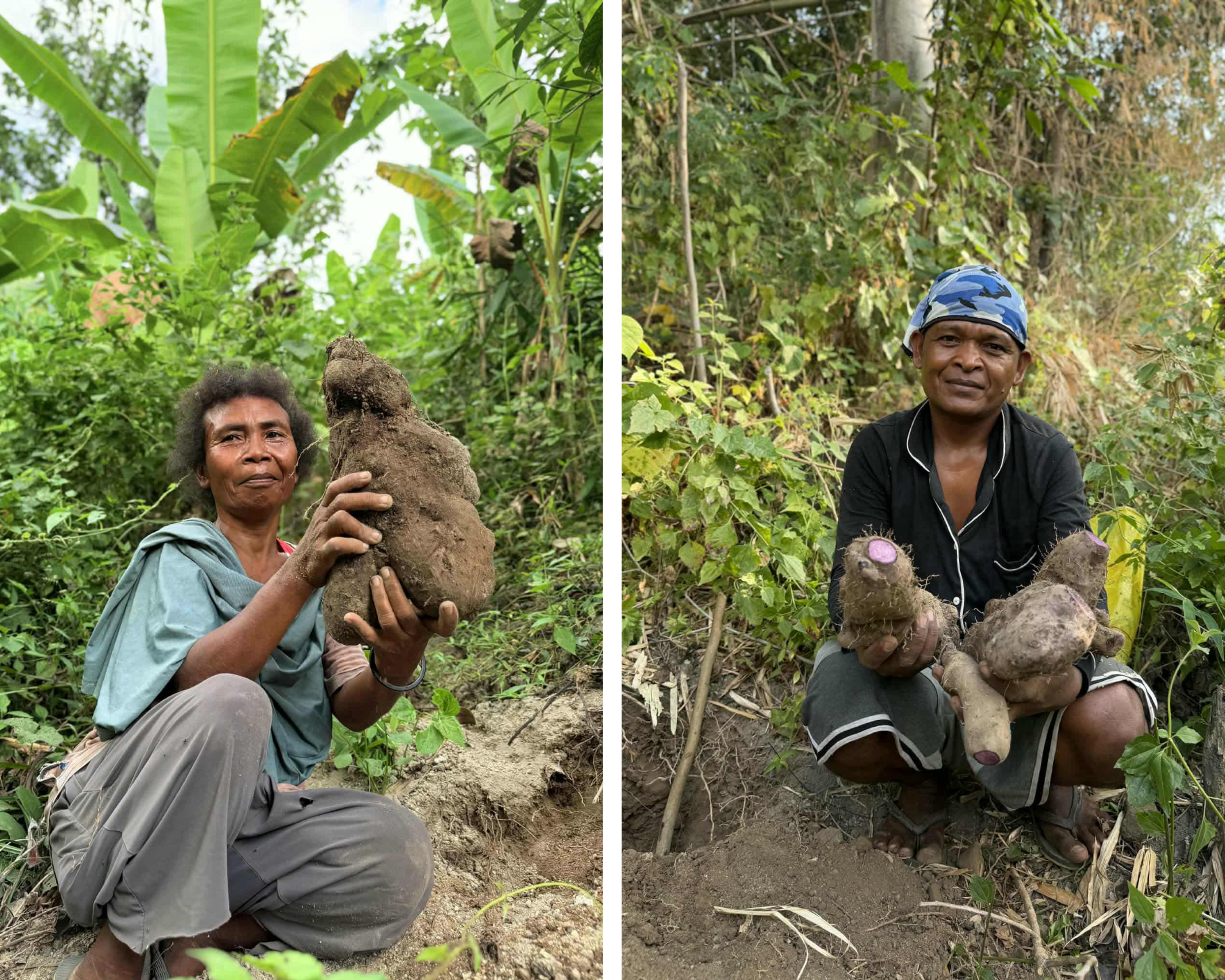
Aetas with their cultivated crop, the VU2, or locally known as Zambal
Through this partnership, PhilRootcrops is anticipated to provide technical guidance with its launch, including expert recommendations on suitable ube varieties, application of good agricultural practices, a prospective conduct of Training-of-Trainers (ToT) among Aeta community leaders, and other specialized support for a successful cultivation of pest-free crops.
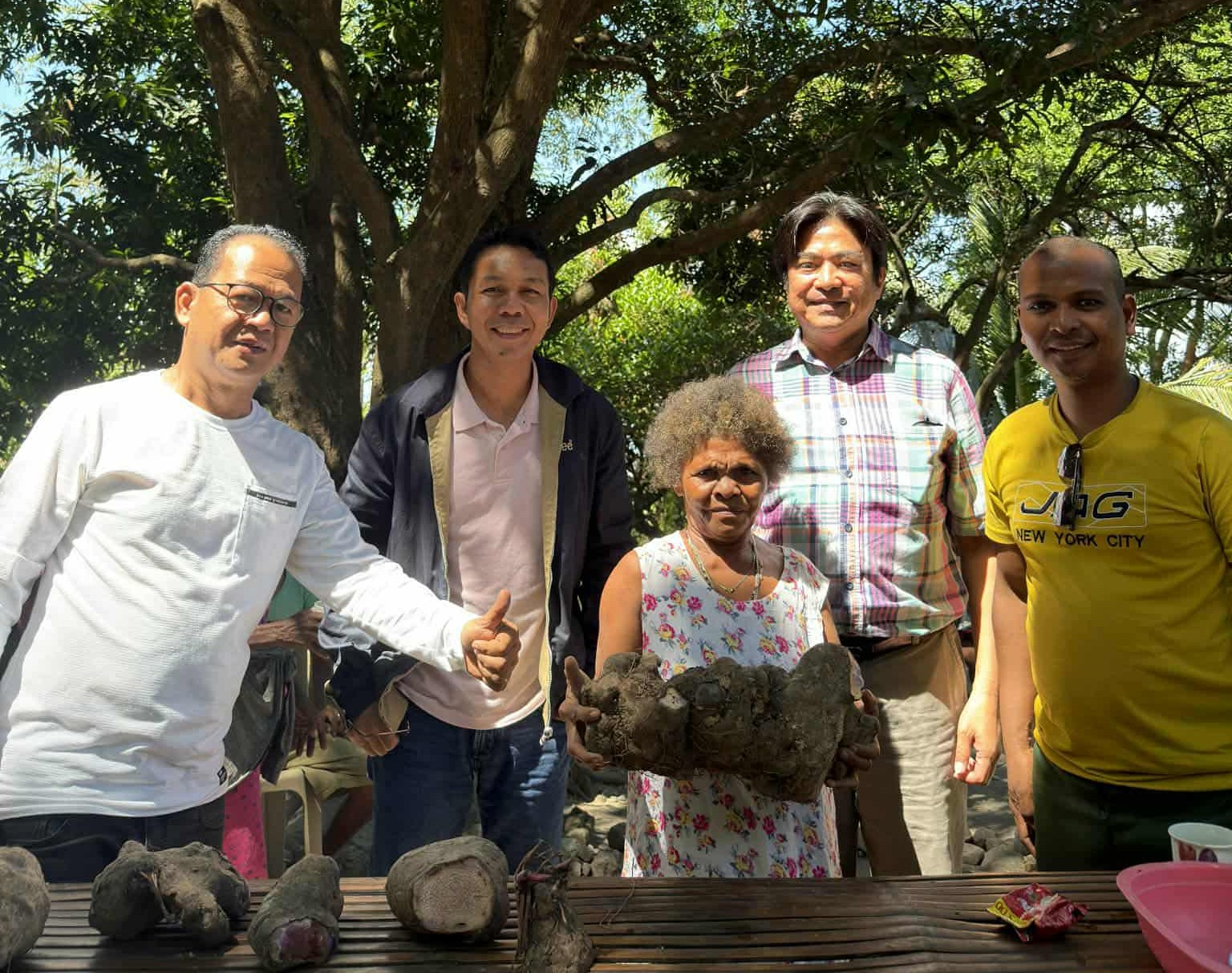
Left to right: PhilRootcrops Senior Agriculturist Dioscoro Bolatete, Center Director Marlon Tambis, and Ayala Zambales Community Development Lead Jun Virola, together with staff and an Aeta community member.
Innovative production techniques such as vertical trellising and solar-powered irrigation are the systems aimed to be introduced among farmers. These help promote climate-adaptive practices to further improve capacity-building and guarantee consistent tuber quality for stability in yields and revenue.
Beyond farm productivity, the initiative aims to create sustainable livelihood opportunities while reinforcing the ube value chain of the country - from farmers, MSMEs, to retailers and consumers. Given the increasing demand for ube in both local and global markets, the collaboration is poised to secure a reliable and steady supply of the high-value crop.
This article aligns with Sustainable Development Goals No.: 2 – Zero Hunger, 8 – Decent Work and Economic Growth, 11 – Sustainable Cities and Communities, 13 – Climate Action, 15 – Life on Land, 17 – Partnerships for the Goals