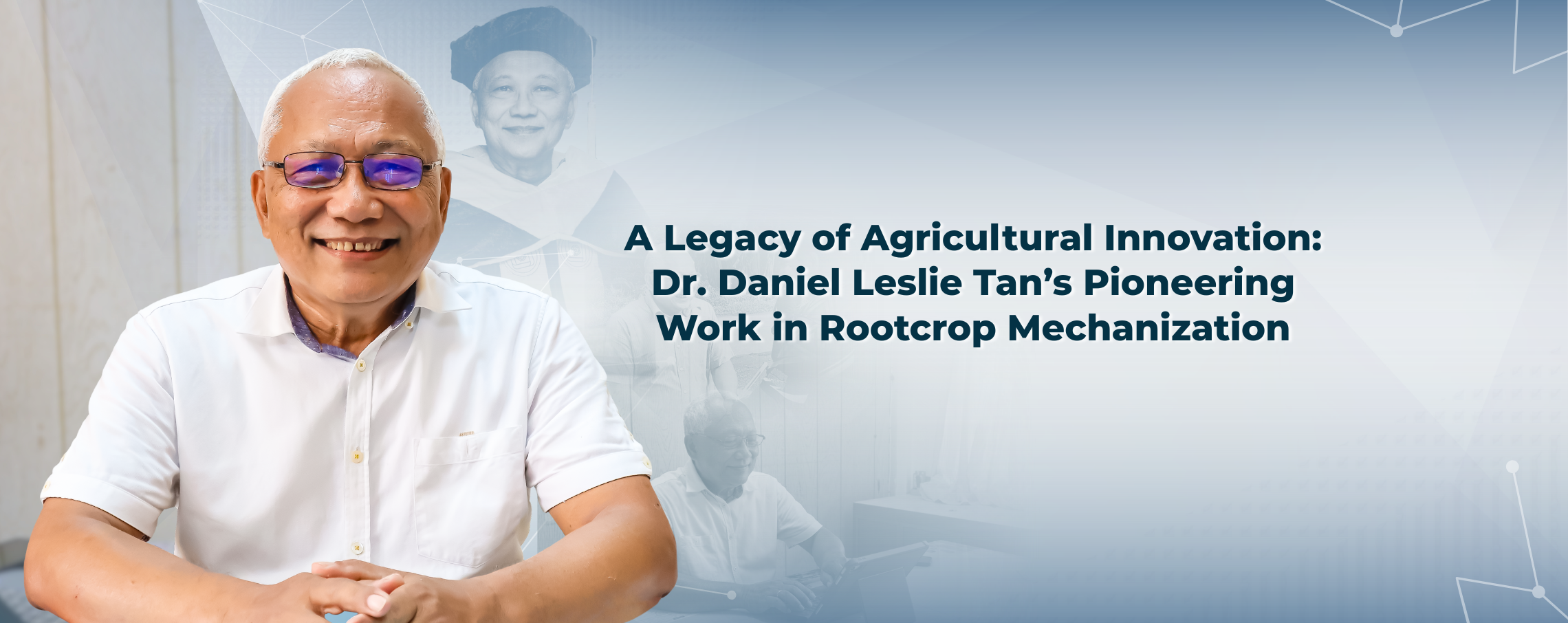


In the pursuit of agricultural progress, few have cemented their names as catalysts of sustainable agriculture. One such figure is Dr. Daniel Leslie S. Tan, whose work has significantly shaped the direction of rootcrop research and mechanization in the Philippines. Fondly known as Sir Dan to his students and colleagues, he is recognized not only as a distinguished professor at Visayas State University (VSU) but also as a driving force behind technological advancements that transformed the rootcrop industry.
Early Beginnings in Agriculture
Growing up in Hinunangan, Southern Leyte, Sir Dan’s love for agriculture was cultivated through early hands-on exposure to field work.
“Attending an agricultural and vocational high school, where we spent half-day on the farm, gaining hands-on experience, while the other half were dedicated to attending academic subjects in the classroom.”
This foundational experience strengthened his passion for agricultural engineering. He completed his Bachelor's Degree in Agricultural Engineering from what was then Visayas State College of Agriculture (VisCA), now VSU. Later on, earning his Master's Degree in the same field at the University of the Philippines-Los Baños (UPLB) and finishing his Doctor’s program in Japan, further deepening his expertise in agricultural mechanization.
Career Milestones in Agricultural Innovation
Sir Dan’s journey in the academe began at PhilRootcrops, starting from the humblest position - as a Research Assistant. He marks the experience as more than just a job but rather the seed of his calling. Reflecting how the center’s mission of sustainable agriculture and uplifting communities drew him in, finding a place where his curiosity and dedication could truly take root.
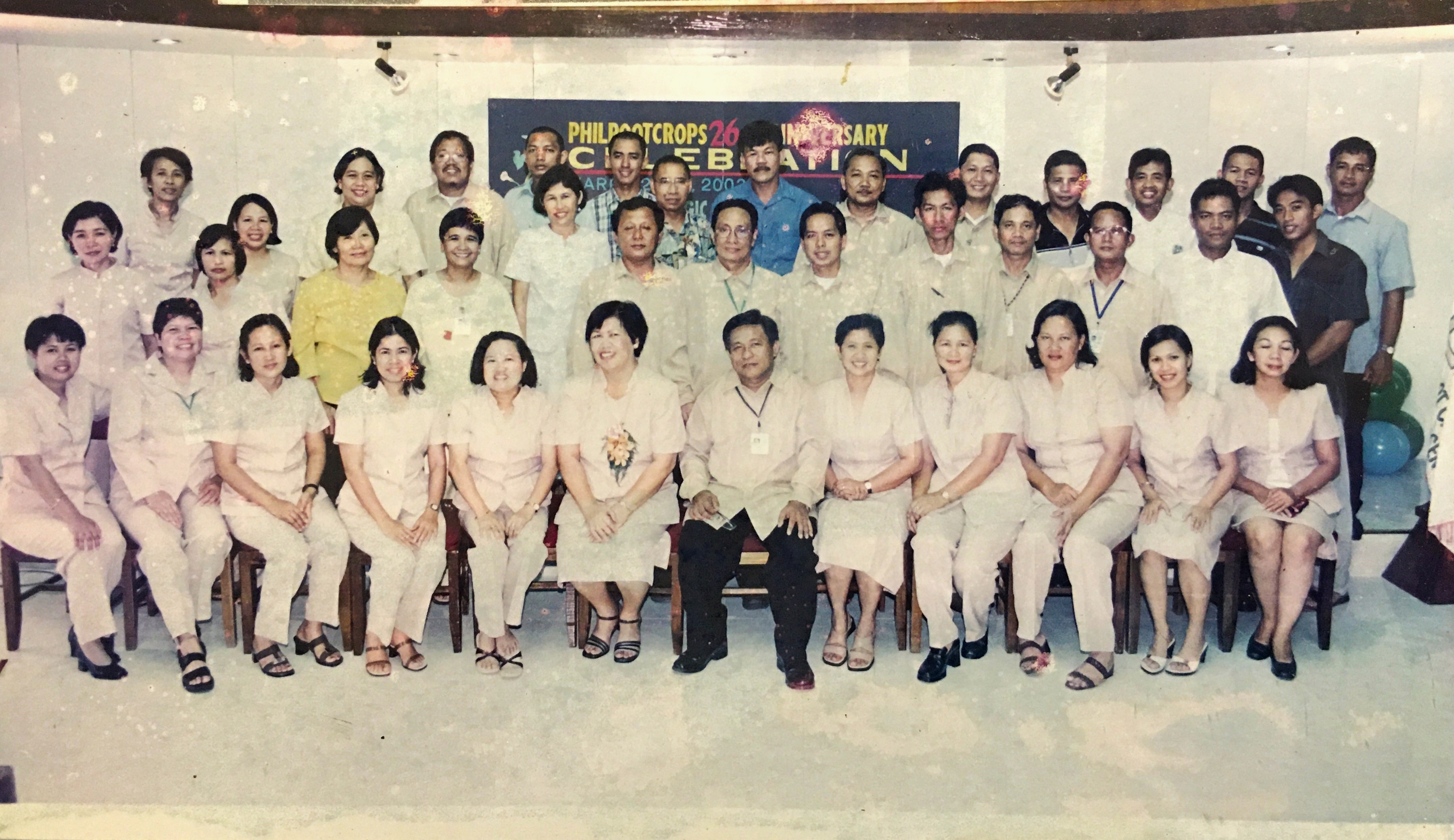
“The enormous challenge of developing the rootcrop industry is what motivated me to dedicate my energy, knowledge, and skills. There has been little progress in creating machinery and technologies for processing rootcrops—transforming fresh roots into usable forms through mechanization on a commercial scale—and in improving the economic conditions of farmers and processors involved in this sector.”
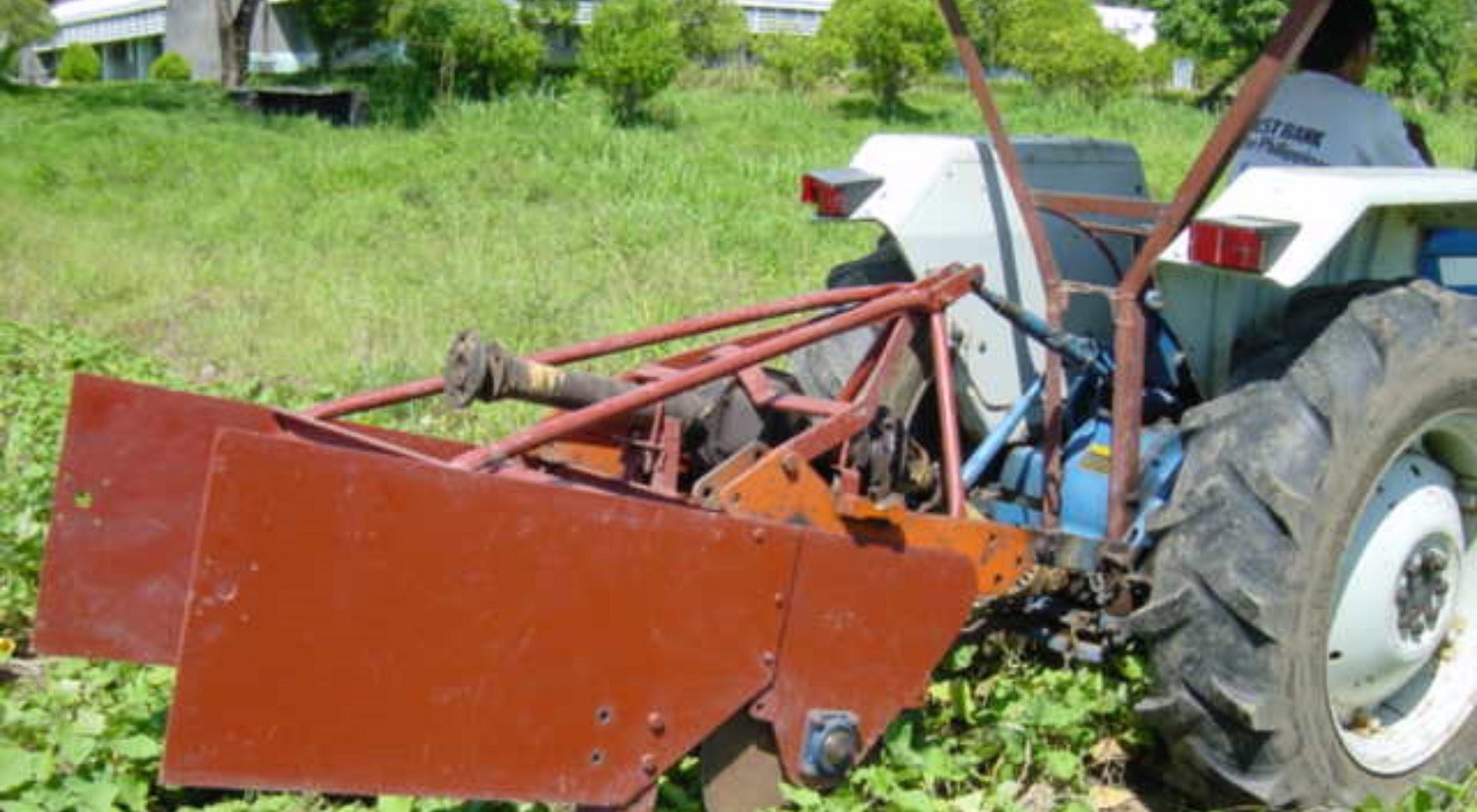
From these early years, Sir Dan established himself as a pioneer in machinery innovation, transforming the mechanization and processing of rootcrops. Through his collaborations with leading government agencies like the Department of Science and Technology (DOST) the Department of Agriculture – Bureau of Agricultural Research (DA-BAR), and the Philippine Council for Agricultural Research and Development (PCARRD-DOST), his projects with PhilRootcrops gained national funding, enabling its advancement and elevating the rootcrop industry through market commercialization.
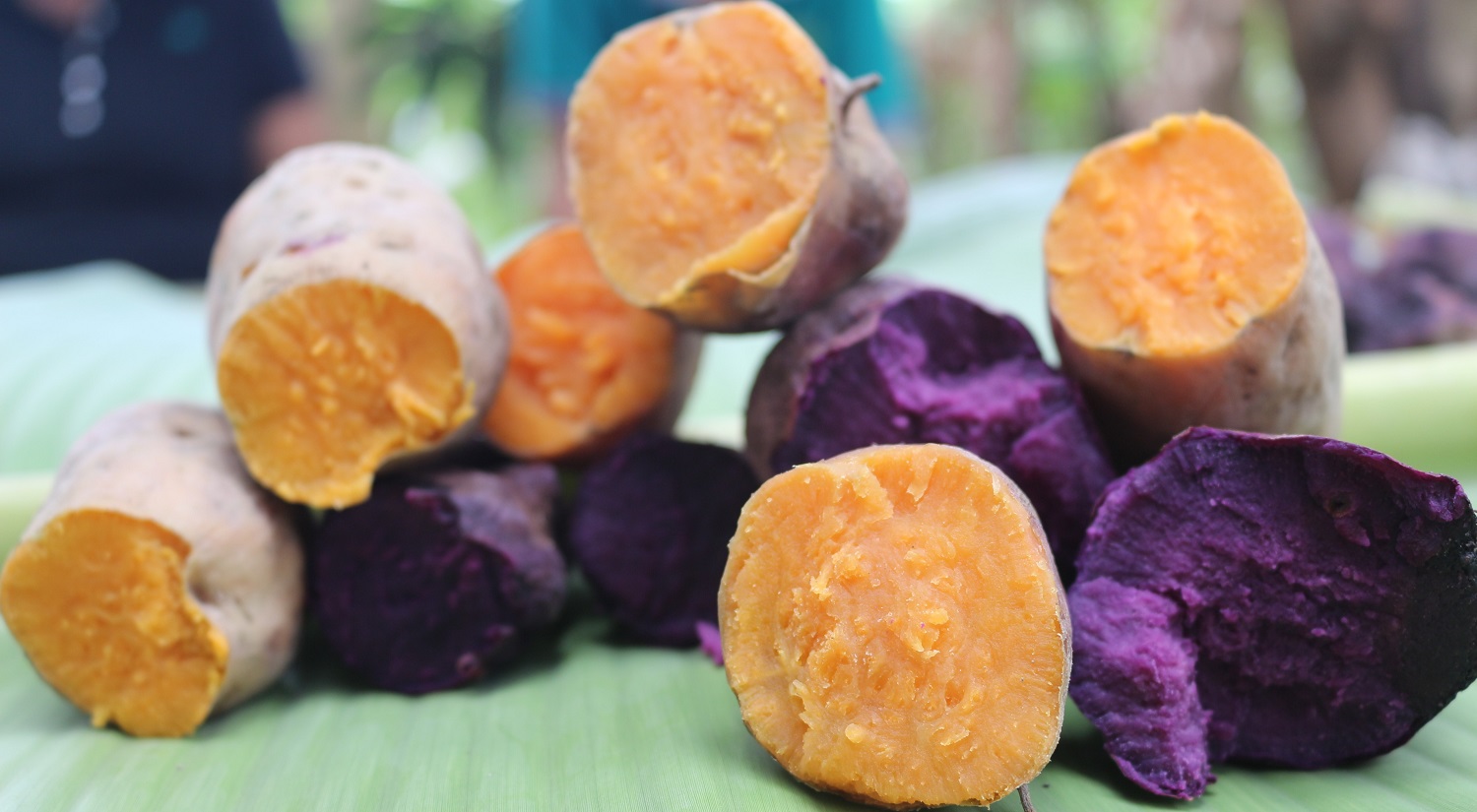
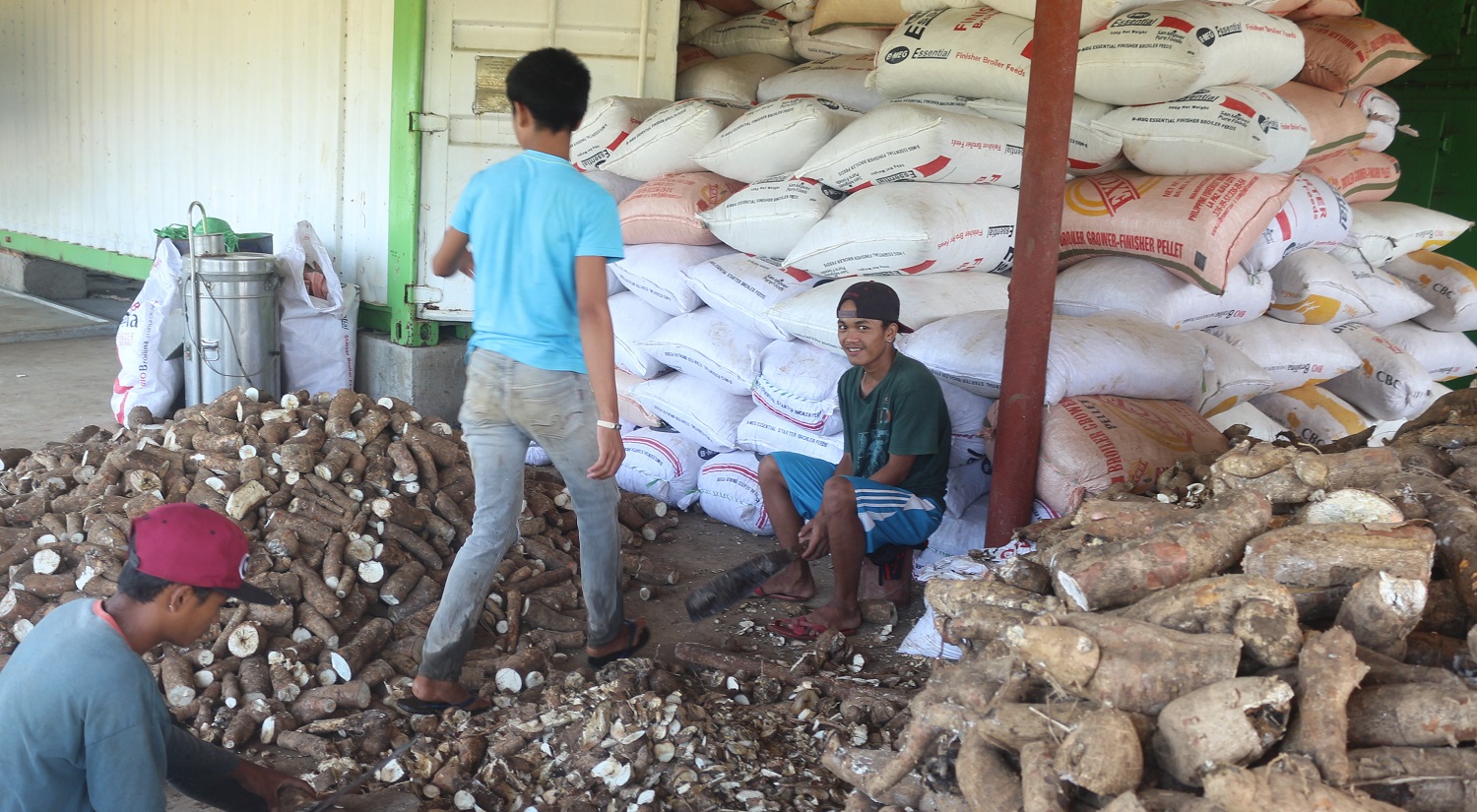
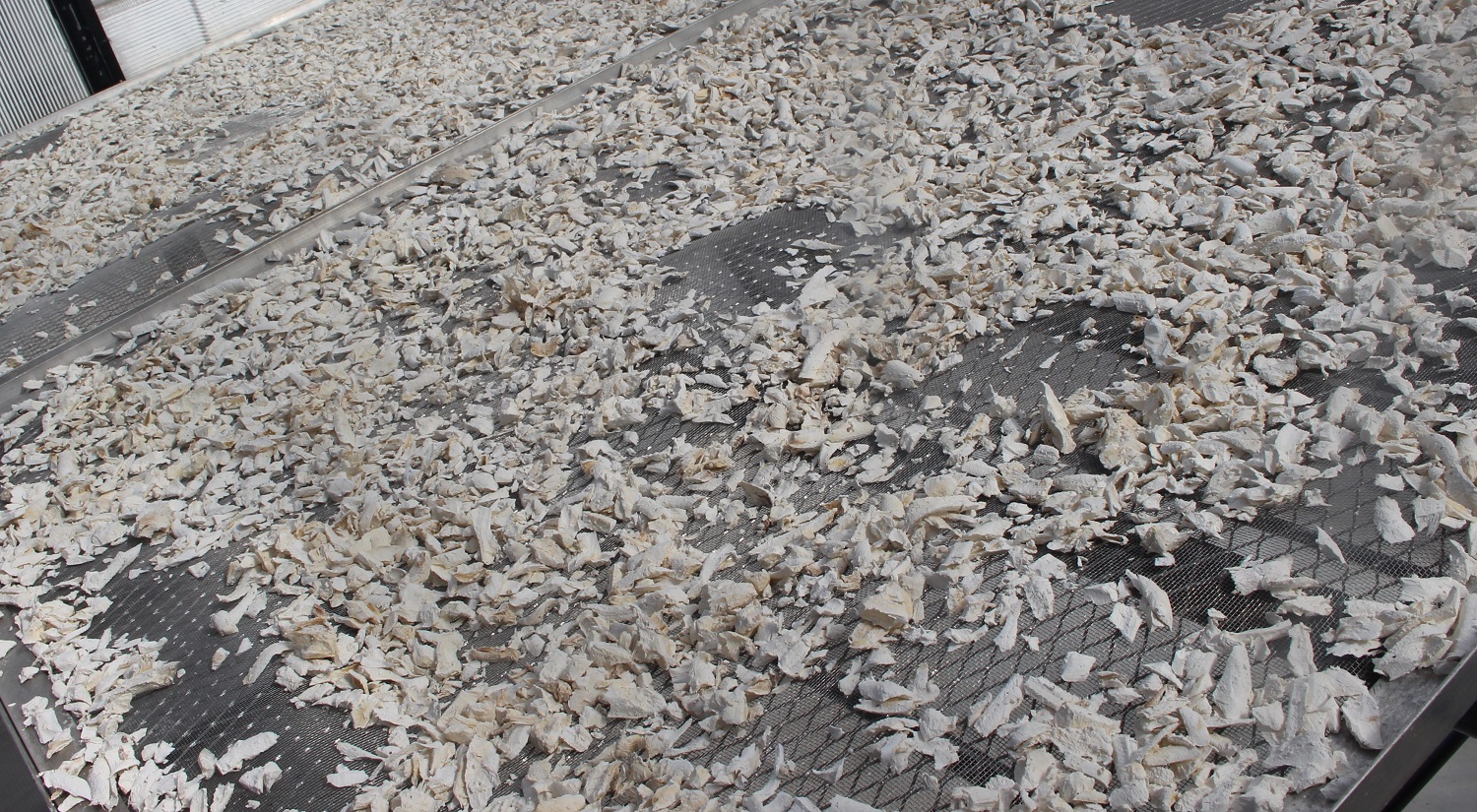
Among his standout projects is the DOST-funded “Technical Improvement of the Rootcrop Grates and Flour Processing System,” an upgrade from traditional processing techniques, which enables higher efficiency with minimal waste for rootcrops like cassava and kamote.
Through this initiative, DOST-PCAARD facilitated the development of a sweetpotato Vacuum Fried-fryer, a cost-effective and portable device that employs a water-jet system instead of an expensive vacuum pump to create the necessary vacuum, making vacuum-fryer more accessible to producers and small-scale business owners.

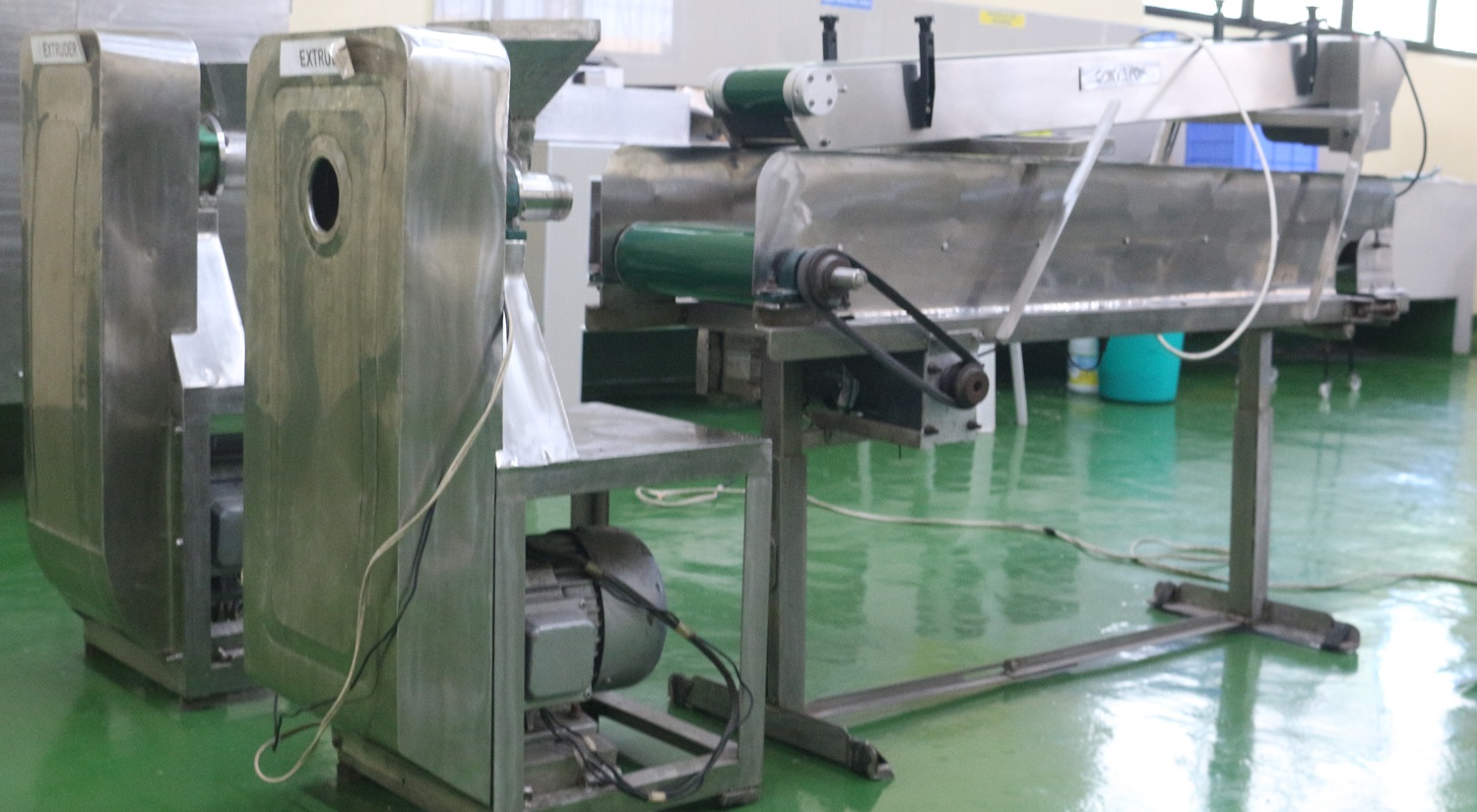
Further pushing the boundaries of innovation, the DA-BAR invested in the development and commercialization of cassava-based extruded products, resulting in the creation of the versatile 2-in-1 Extruder machine and its supplementary equipment.
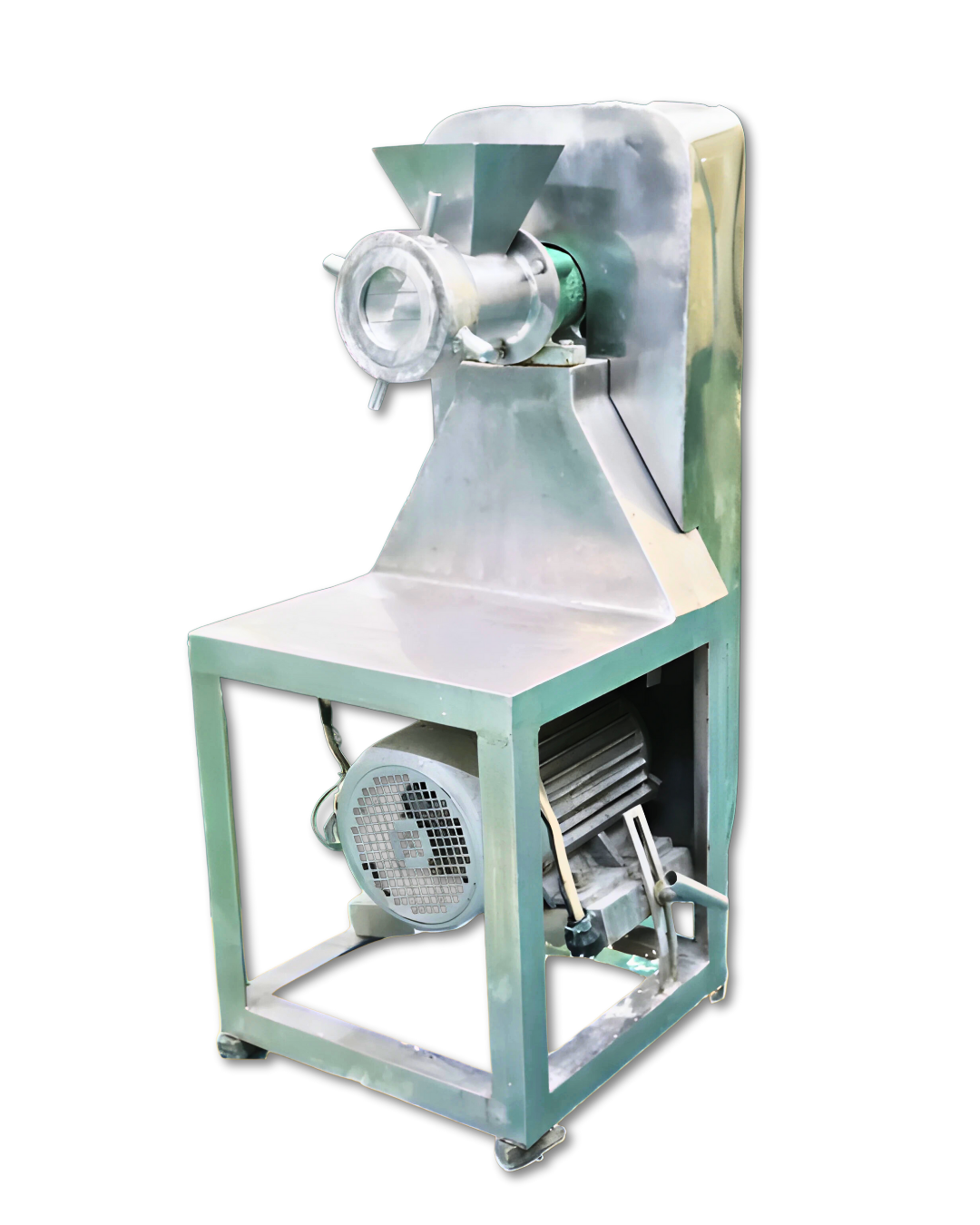
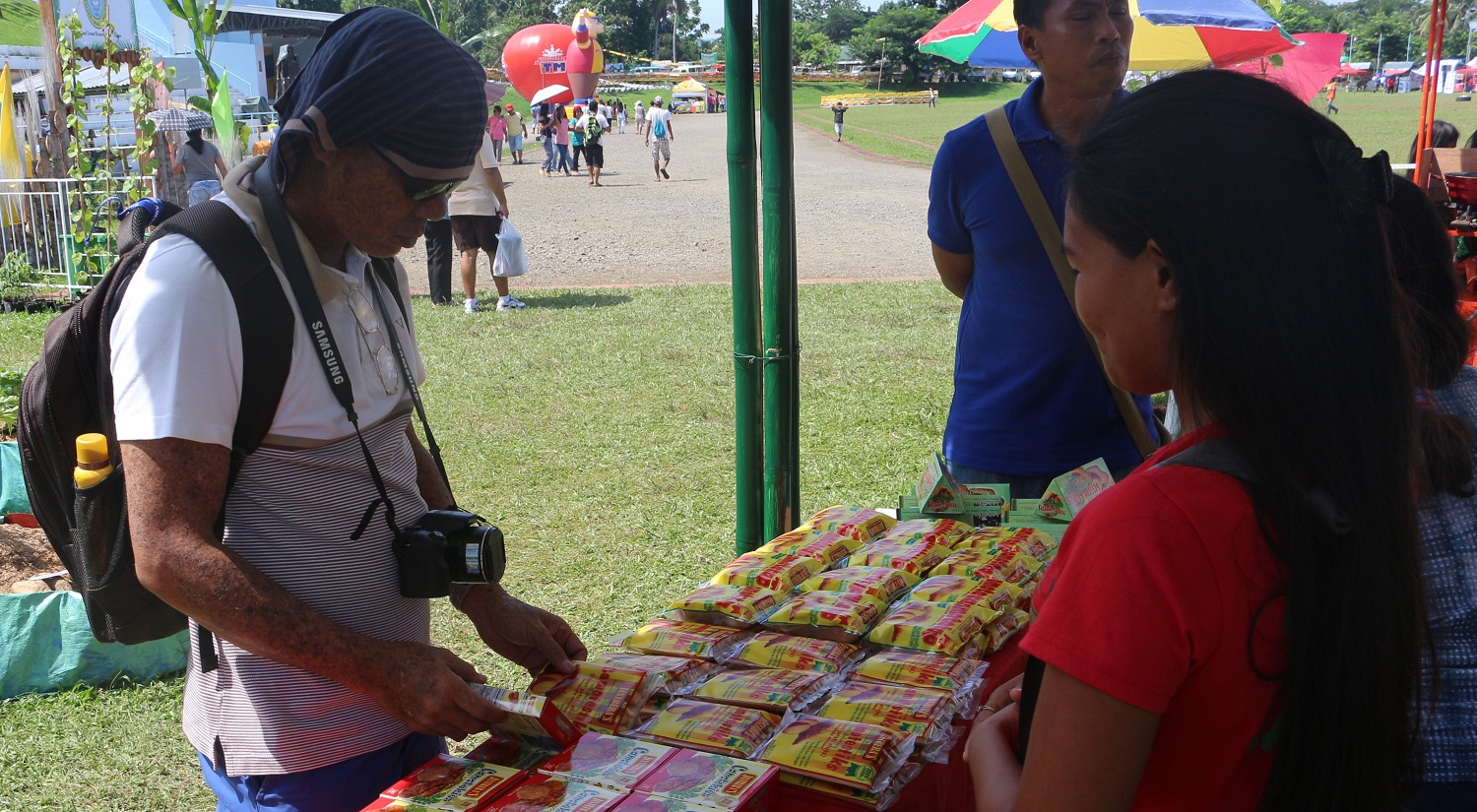
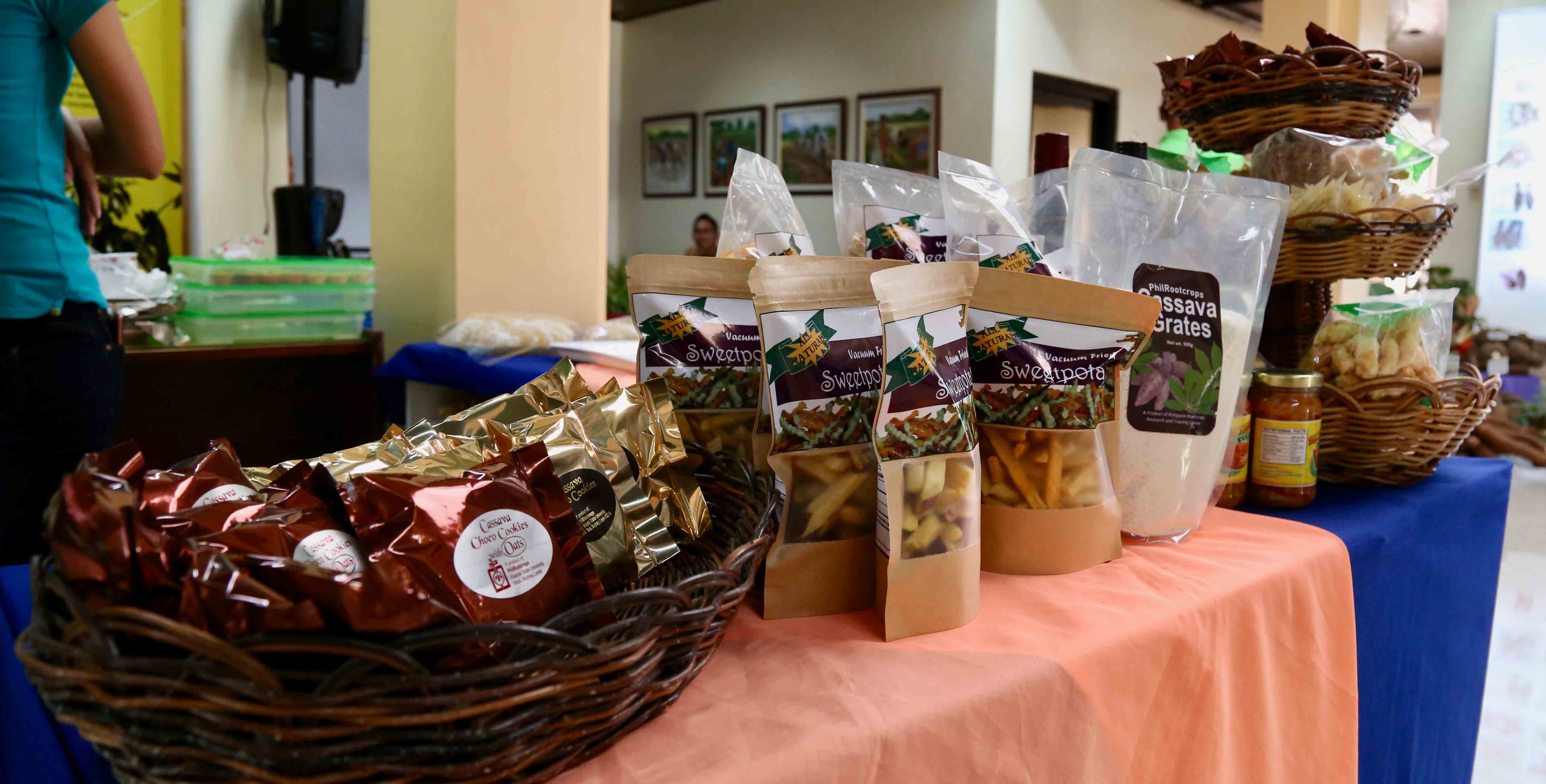
The creation of these machineries then spearheaded the development of PhilRootcrops’ well-known products, from the deliciously famous Yuca Puff, Cassava Chippy, and Vacuum-Fried Sweet Potato.
Building on this success, Sir Dan gained national recognition with his innovations. His accolades include: 2nd placer in the 2022 National Invention Contest and Exhibition (NICE) accorded by the Technology Application and Promotions Institute of the Department of Science and Technology (DOST-TAPI), and Champion for the 2021 Regional Invention Contest and Exhibition (RICE) by DOST-TAPI.
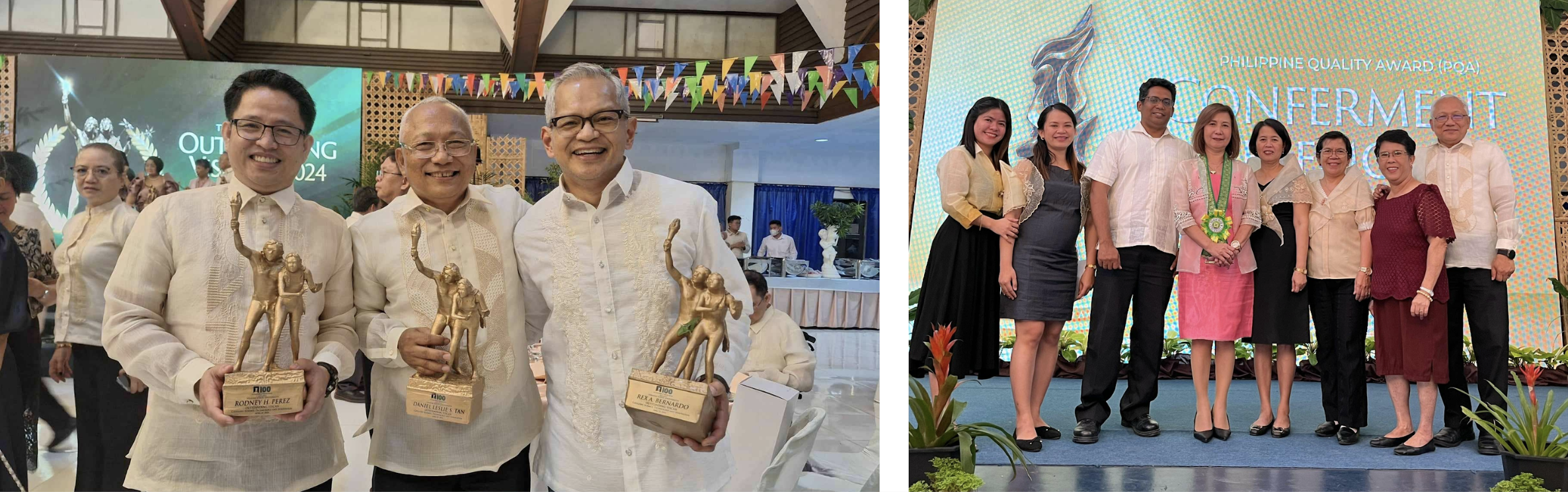
Through these patented inventions, he continues to prove how rootcrops are not just mere table food but high-value goods that, when paired with R&D developed technologies, can create avenues for income-generating streams for local entrepreneurs, farmers, and cooperatives, strengthening economic empowerment among communities.
Life in the Academe
In the same harvests in which he sowed mechanization breakthroughs, Sir Dan mirrors his scientific vocation with his mentorship towards students. As a committed professor, he emphasizes the importance of partnership between both students and their mentors. Focusing on how accessibility is important for them to gain hands-on experience that fosters their minds in honing their discipline.
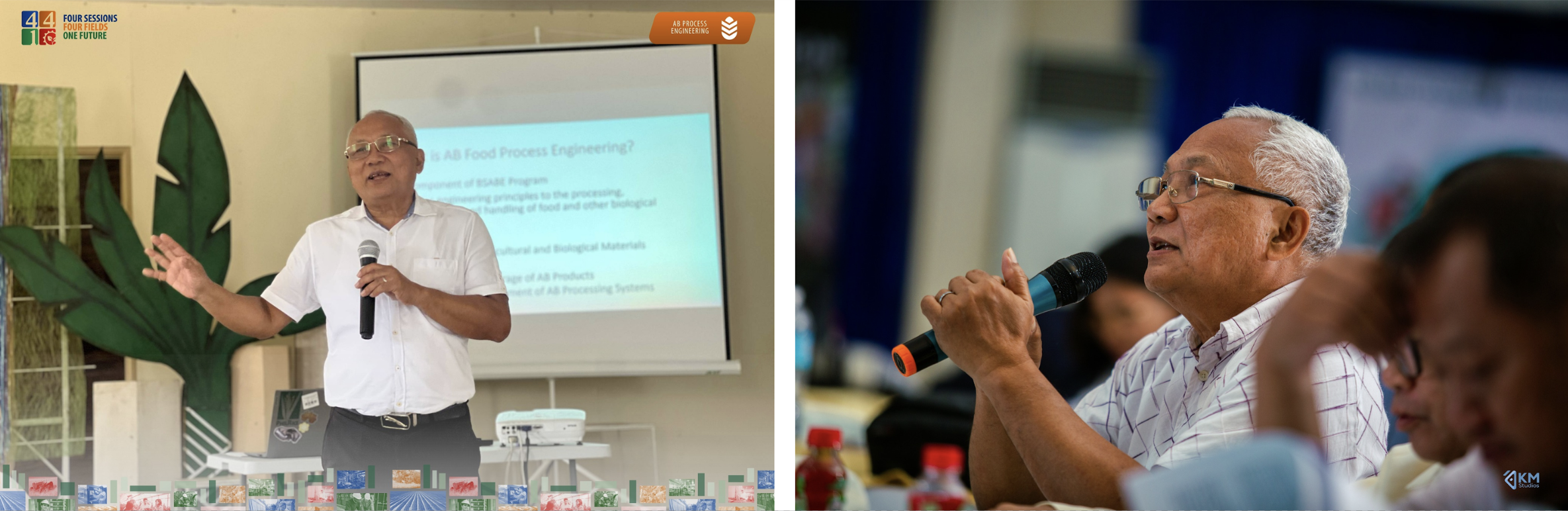
“Students should be actively involved in their mentors' projects and research activities. This engagement can be facilitated by providing access to well-equipped laboratories, research materials, and resources, enabling students to dedicate time to their assignments and theses.”
Navigating Challenges in Agriculture
For every cultivated progress he attained, also came challenges. He stresses how there are fields that remain unexplored and the journey of discovery on what these crops’ potential is far from complete. Further pointing out how research institutions like PhilRootcrops play a pivotal role in advancing the initiative of unlocking both humanitarian and scientific prospects of rootcrops.
“Despite significant progress over the years—such as elevating the root crop industry for starch production, animal feed, refining crop production and management practices, creating processing technologies, and commercializing these innovations—there is still much work to be done.
Exciting opportunities lie in exploring the use of root crops in medicine and pharmaceuticals, developing specialized or niche products, and cultivating crops in urban settings or confined environments. With its wealth of knowledge, PhilRootcrops can channel its efforts into pioneering these innovative frontiers.”
Research to Leadership: Lasting Impact
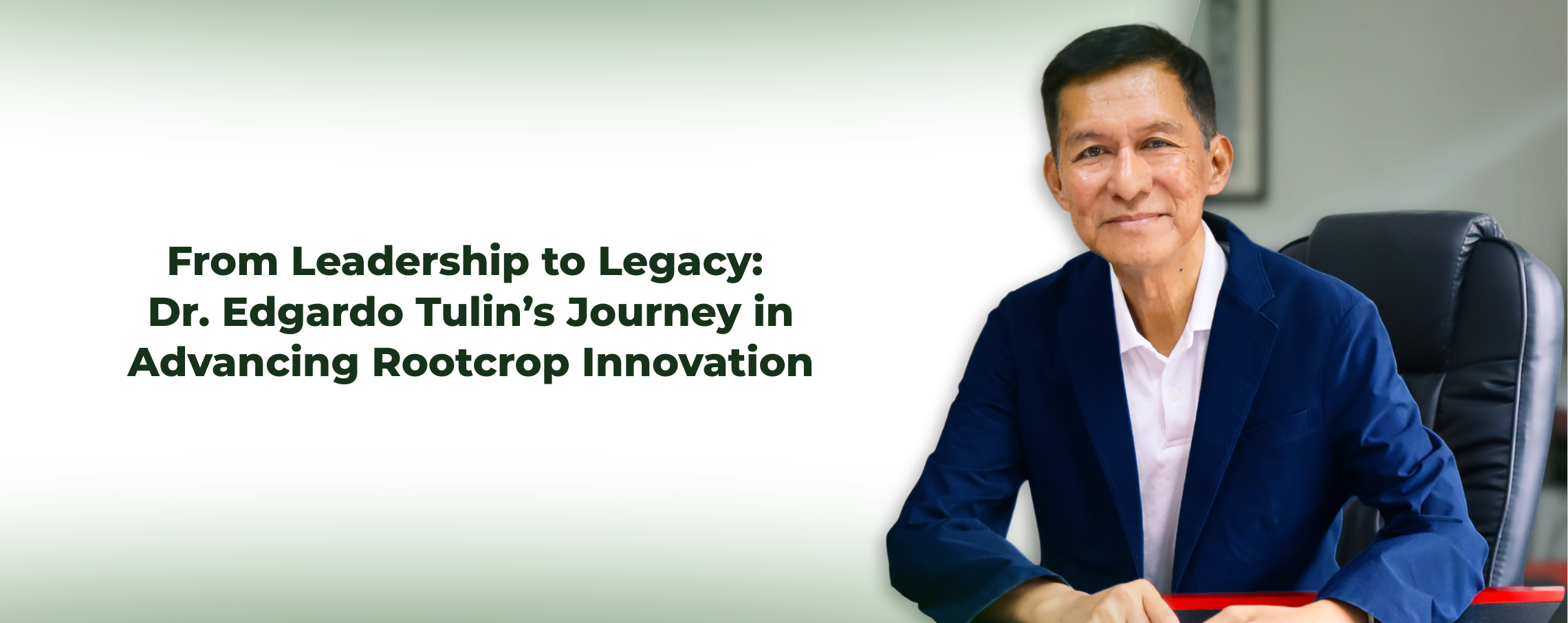
He then brought all these lessons and achievements on a larger scale, being appointed as Acting President/Officer-In-Charge (OIC) of VSU in October 2023, following the recommendation of then VSU President, Dr. Edgardo Tulin- whose trust he sincerely values.
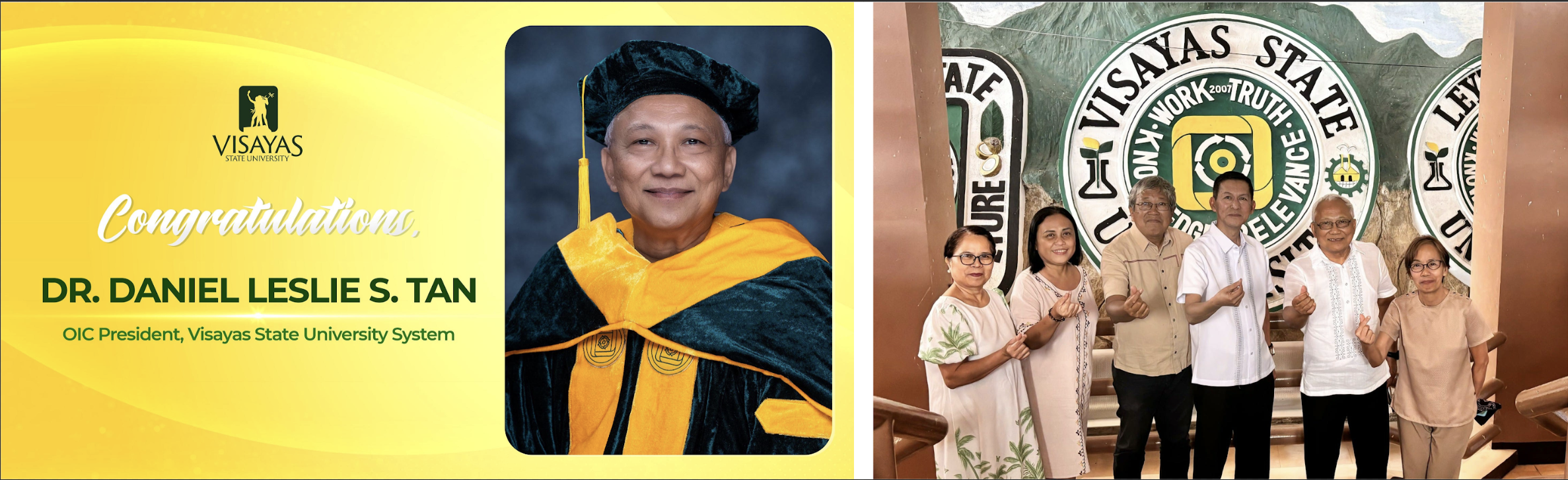
In his brief tenure, he sought to integrate his principles in innovation through academic excellence and strategic visioning, strongly advocating for the university to strengthen its core in agricultural research and targeted initiatives.
“Although I was only an Officer-in-Charge for about four months as a university caretaker—brief, I admit—I believe that the university should continue to prioritize research and extension activities in agriculture, aligning with the core mission of an agricultural institution. Whether at the department level or focusing on specific crops, this focus will be key to guiding successful growth.”
“It is through diligence and hard work.” Sir Dan credits his enduring leadership to these attributes, alongside his commitment towards cultivating innovation, mentoring future leaders and creating meaningful progress across the academe and agricultural sectors.
Passing the Torch to Future Stewards
As Sir Dan formally retires from university service, he leaves behind not only machines, systems, and patents but a vision. His vision continues to be the guide for the institution in pushing boundaries, nurturing knowledge, and leveraging these learnings for agricultural impact. He now parts with a call to action among students and researchers, encouraging them to shape the future of agriculture with dedication, passion, and purpose:
“Do not be content with what has been achieved. Continue to do more and more for agriculture. Always find ways to innovate and to produce more than what has been done! And let us not forget that we are all human and spiritual beings who need one another and the touch of God to thrive and continue this important work.”

Sir Dan’s legacy remains clear on how true agricultural progress is measured beyond yield and mechanization. It reflects on how much we disseminate knowledge, develop innovative solutions, and mentor next-generation practitioners into fostering an agriculture that is both transformative and creates lasting impacts among communities.